


Some error occured while loading the Quick View. Please close the Quick View and try reloading the page.
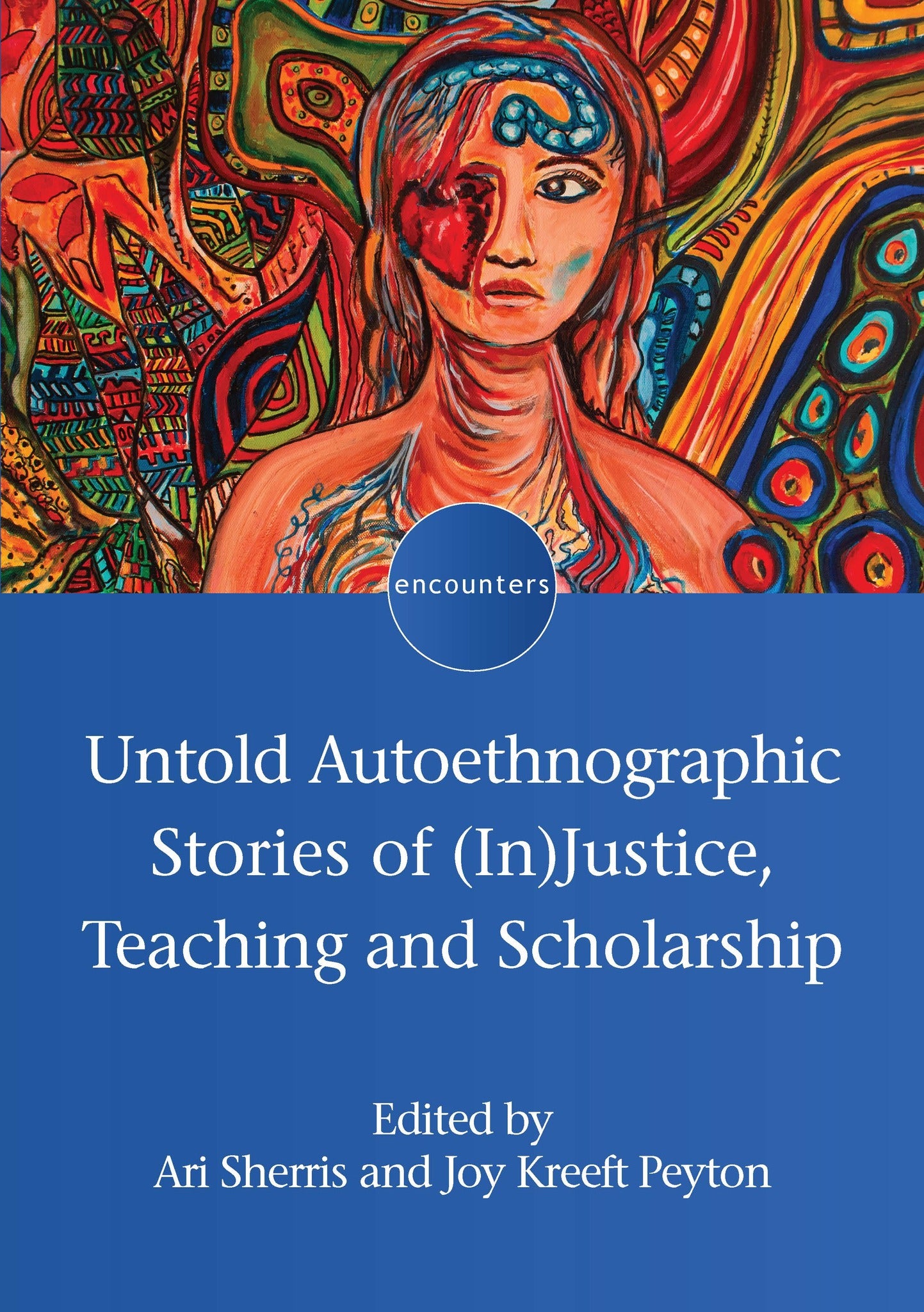
The voices in this book raise questions about the relationalities and entanglements of applied linguists in a troubled world. They are the personal stories that are sometimes hidden behind and within more conventional teaching, research and scholarship, however iconoclastic and unconventional the endeavors themselves. Injustice runs through and across the chapters, connecting one with another but also highlighting differences. The stories in this book describe or picture anxieties, fears, veils, exclusion, erasures, microaggressions, racism and patriarchy, together with the painful double-binds and pitfalls experienced in applied linguistic fieldwork and teaching. By sharing their stories, the authors attempt to embody the changes called into being through their applied linguistics teaching and fieldwork.

Ari Sherris is a Professor of Bilingual Education at Texas A&M University-Kingsville. His research interests explore communication, meaning-making and complex social semiotics in multilingual contexts. Ari also documents and supports indigenous languages and teacher activists reclaiming and revitalizing their languages as they bring those languages into schooling for the Safaliba in Ghana and Salish speakers on the Flathead Reservation in the USA. He has edited four books on indigenous languages, literacies, pedagogies of revitalization and ethnography. His research appears in Writing & Pedagogy, Journal of Multilingual & Multicultural Development, The Canadian Modern Language Review, Language Awareness, and edited volumes.
Joy Kreeft Peyton is President of the Coalition of Community-Based Heritage Language Schools in the United States, which connects and collaborates with thousands of schools teaching hundreds of languages, mostly on weekends. She has also worked in Ethiopia, Nepal and The Gambia to develop curriculum, materials and student pleasure reading books in students’ mother tongues.
Contributors
Acknowledgements
Suhanthie Motha: Foreword: Inhabiting (In)Justice Through Our Lives
Chapter 1. Ari Sherris and Joy Kreeft Peyton: Embodying Untold Truths: Autoethnographic Textu(r)alities of (In)Justice in and Beyond Applied Linguistics
Chapter 2. Rima Elabdali: Embodied Reflexivity: Ethnographic Trouble and the Hypervisibility of the Muslim Body
Chapter 3. Gail Prasad: Brown – Blanche? Black: Weaving Multilingual, Multicultural and Multiracial Minoritised Identities Across International Educational Contexts
Chapter 4. Elaine W. Chun: Easy-Linguistics
Chapter 5. Patriann Smith: Racialized Entanglements of Englishes, Literacies and Peoples across Transnational Contexts: An Autoethnographic Account
Chapter 6. Darshini Nadarajan: Wraiths, Rasa and Rememory: Re-Searching in the Shadows of Peripheral Knowledge and Wisdom in the Quotidian
Chapter 7. Ahmar Mahboob / Prof Nomad / Sunny Boy Brumby: 'No Stars: Nothing to Guide Me': Paving Our Destiny by Learning from the Land and Creating Alternative Practices
Chapter 8. Adam Haupt: Sample a Look Back: Autoethnographic Reflections on Hiphopography, Language and Identity
Chapter 9. Emile Jansen aka Emile YX?: The 4 Rs of Hip Hop Cultural Education
Chapter 10. Paul J. Meighan: 'Whatever you do, don’t give up!' A Scottish Gael’s Language Reclamation Journey
Chapter 11. Tania M. Ka’ai: Privileging Indigenous Māori Knowledge – Reclaiming My Birthright of Language and Culture: An Autoethnographic Story
Chapter 12. Kū Kahakalau: Kūlia I Ka Nu’u: Strive to Reach Your Highest
Chapter 13. Aurora Tsai: Unlearning Shame and Silence as a Multiracial Woman of Color: My Pursuit of Research for Collective Healing and Liberation
Chapter 14. Ayanna Cooper and Shelley Jallow: Fieldnotes from Buffalo Soldiers: Black Educators in TESOL Leadership
Chapter 15: Ari Sherris: 'Isn’t Ari an Israeli name?' Untethered Discourses, Entangling Troubles
Tommaso M. Milani: Instead of an Afterword
Index