


Some error occured while loading the Quick View. Please close the Quick View and try reloading the page.
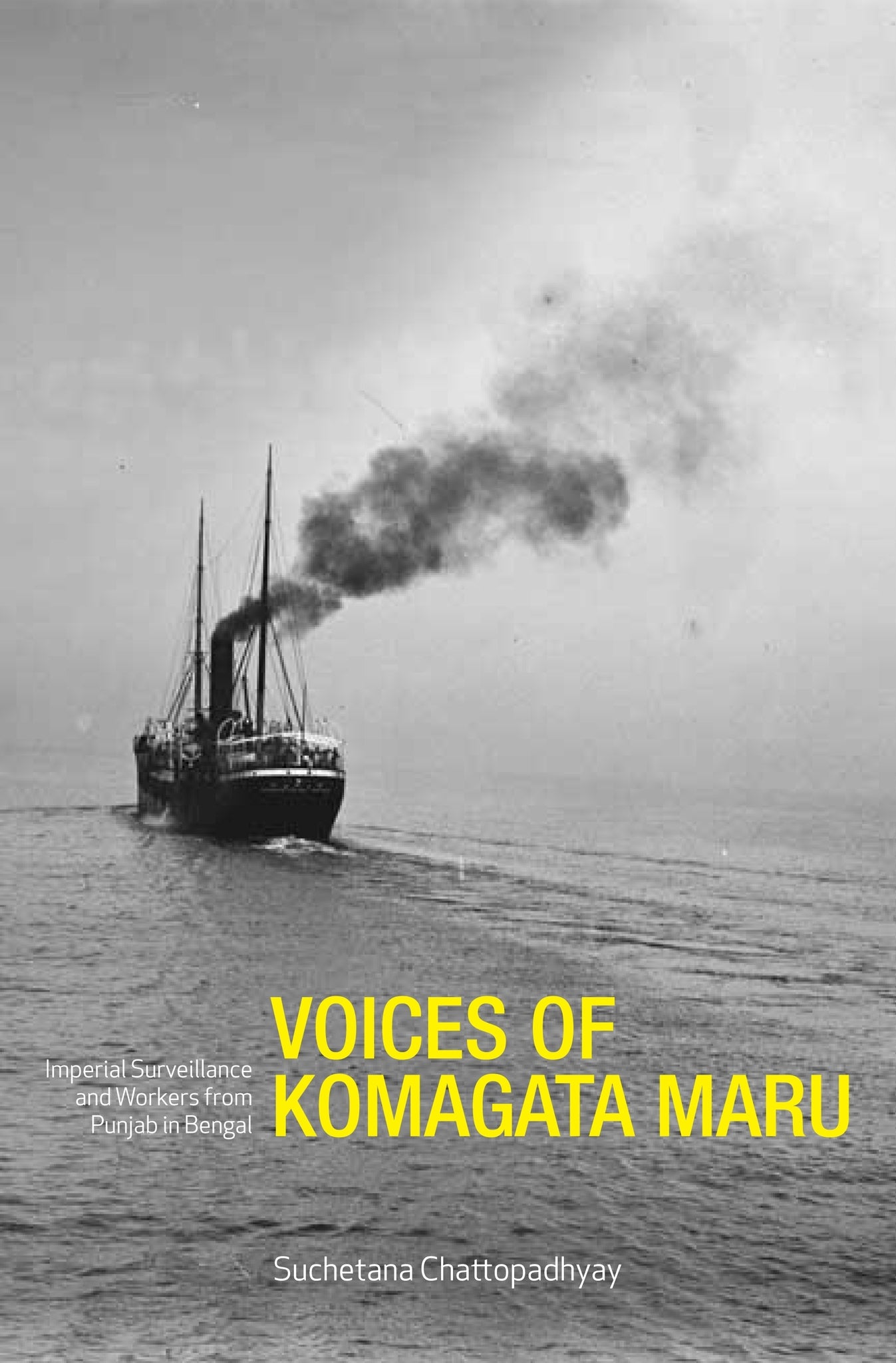
Early twentieth-century Calcutta was not just a point of passage within the British Empire, but a key center of colonial power; a crucial laboratory of imperial repressive practices cultivated and applied elsewhere. Histories of the Komagata Maru or the Ghadar Movement offer rewarding perspectives on Punjabi Sikh migrants, but fail to adequately investigate why the ship was brought to Bengal; why overwhelming locally organized imperial vigilance was imposed on ships that arrived soon afterward; and the extent to which the operation of the repressive colonial state apparatus influenced the intersections of anticolonial strands in Calcutta and its surroundings during 1914–15.
This monograph traces this early wartime clash of positions and the organized postwar transmission of the memory of the Komagata Maru as a symbol of resistance among the Sikh workers in the industrial centers of southwest Bengal. It acts as a link in a chain of scholarship that has hitherto traced the spread of radical anticolonial currents among the Punjabi Sikh diaspora that connected Punjab with Southeast Asia, East Asia, and the Americas.
