


Some error occured while loading the Quick View. Please close the Quick View and try reloading the page.
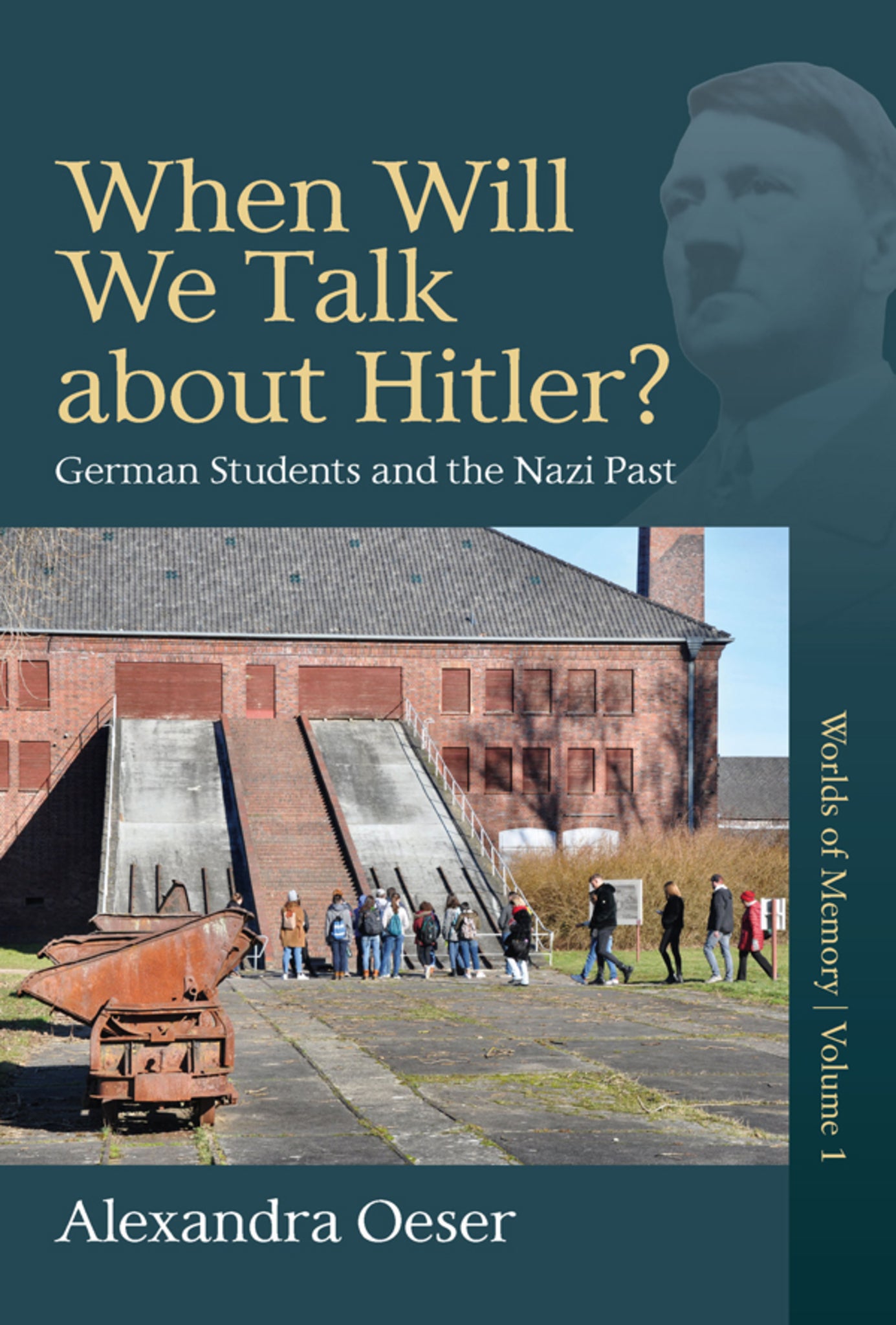
For more than half a century, discourses on the Nazi past have powerfully shaped German social and cultural policy. Specifically, an institutional determination not to forget has expressed a “duty of remembrance” through commemorative activities and educational curricula. But as the horrors of the Third Reich retreat ever further from living memory, what do new generations of Germans actually think about this past? Combining observation, interviews, and archival research, this book provides a rich survey of the perspectives and experiences of German adolescents from diverse backgrounds, revealing the extent to which social, economic, and cultural factors have conditioned how they view representations of Germany’s complex history.

“The book is a thought-provoking read. It certainly offers plenty of stimulations for self-reflection, especially for anyone active or interested in teaching the history of National Socialism – be that in schools, universities, memorial museums or youth work.” • H-Soz-Kult
“How do young Germans engage with the Nazi era? … [Oeser] reveals a wide range of views on this solemn history, illuminating educators’ concerns and pedagogical strategies as well as students’ perceptions.” • Le Monde
“Oeser’s book is destined to become a reference point in memory studies in terms of both its methodology and its nuanced conclusions.” • Critique internationale
“A model of social inquiry thanks to its intellectual honesty and its careful analysis of language, the book is also indispensable for understanding contemporary Germany, and the implications of its memory politics, while contributing to the history of education.” • Vingtième siècle: Revue d’histoire
Alexandra Oeser is currently Professor of Sociology at Paris Nanterre University. Her most recent publication is Collectif du 9 août: Quand ils ont fermé l’usine (2017).
List of Figures and Tables
Preface
Acknowledgements
List of Abbreviations
Chapter 1. Education in the Service of Democracy
Chapter 2. Talking about the Nazi Past in Class and Succeeding at School
Chapter 3. Gender, Family and the Nazi Past(s)
Chapter 4. The Nazi Past as an Everyday Resource for Adolescents
Chapter 5. The Social and Cultural Limits to Appropriations of the Nazi Past
Chapter 6. Peer-group Dynamics and Playful Uses of the Past
Conclusion: From Memory to Appropriation(s)
Appendix 1: The German School System
Appendix 2: Structure of Interviews with Students
Appendix 3: Summary Table of Teachers and List of Teachers Interviewed
Appendix 4: List of Students Interviewed
References
Index