


Some error occured while loading the Quick View. Please close the Quick View and try reloading the page.
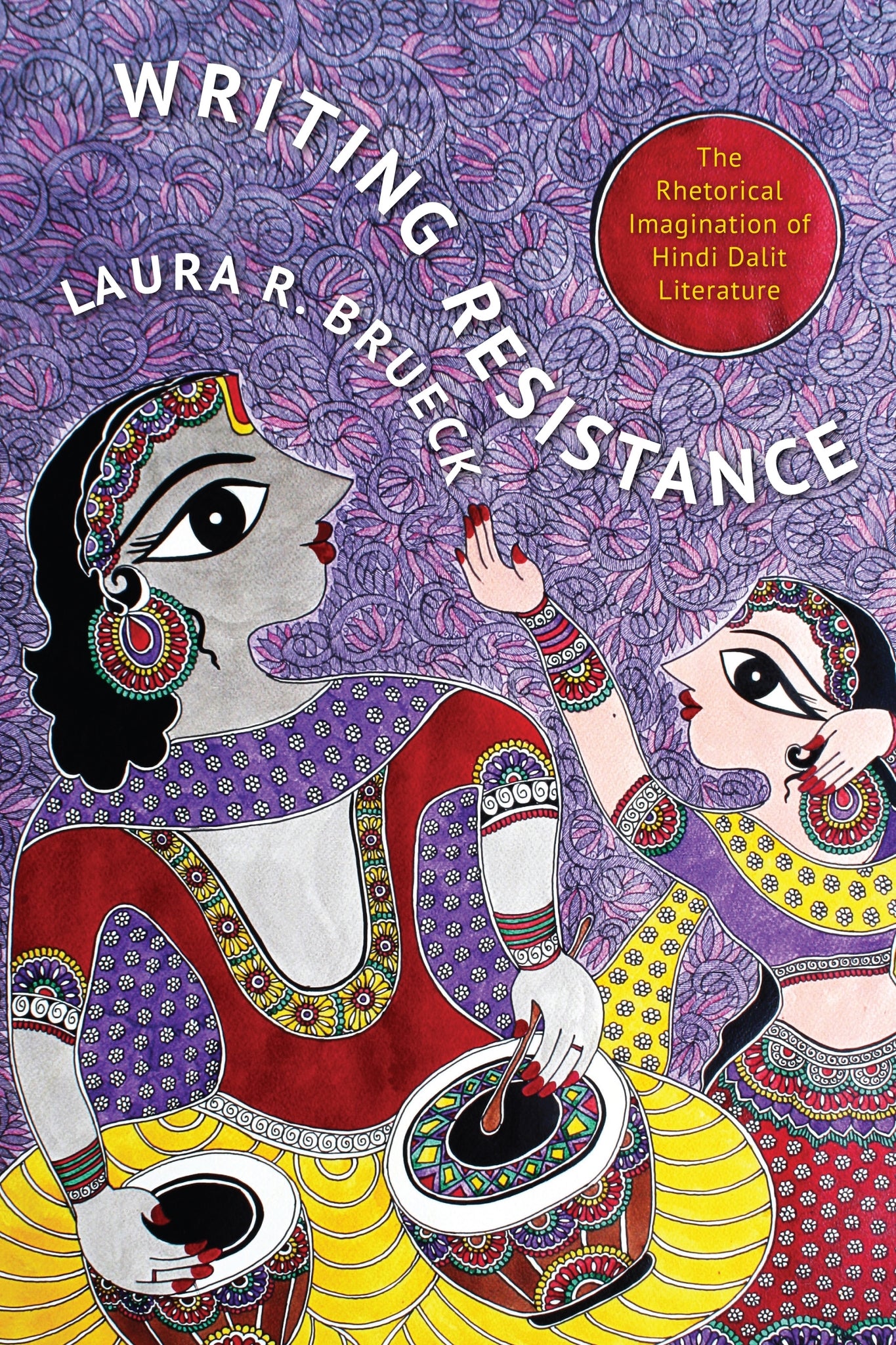
Writing Resistance is the first close study of the growing body of contemporary Hindi-language Dalit (low caste) literature in India. The Dalit literary movement has had an immense sociopolitical and literary impact on various Indian linguistic regions, yet few scholars have attempted to situate the form within contemporary critical frameworks. Laura R. Brueck's approach goes beyond recognizing and celebrating the subaltern speaking, emphasizing the sociopolitical perspectives and literary strategies of a range of contemporary Dalit writers working in Hindi.
Brueck explores several essential questions: what makes Dalit literature Dalit? What makes it good? Why is this genre important, and where does it oppose or intersect with other bodies of Indian literature? She follows the debate among Dalit writers as they establish a specifically Dalit literary critical approach, underscoring the significance of the Dalit literary sphere as a "counterpublic" generating contemporary Dalit social and political identities. Brueck then performs close readings of contemporary Hindi Dalit literary prose narratives, focusing on the aesthetic and stylistic strategies deployed by writers whose class, gender, and geographic backgrounds shape their distinct voices. By reading Dalit literature as literature, this study unravels the complexities of its sociopolitical and identity-based origins.

— Allison Busch, Columbia University
Acknowledgments
A Note on Transliteration
Introduction
Part 1. Mapping the Hindi Dalit Literary Sphere
1. The Hindi Dalit Counterpublic
2. The Problem of Premchand
3. Hindi Dalit Literary Criticism
Part 2. Reading Hindi Dalit Literature
4. Good Dalits and Bad Brahmins
5. Dialect and Dialogue in the Margins
6. Alienation and Loss in the Dalit Experience of Modernity
7. Re-scripting Rape
Conclusion
Notes
Bibliography
Index