


Some error occured while loading the Quick View. Please close the Quick View and try reloading the page.
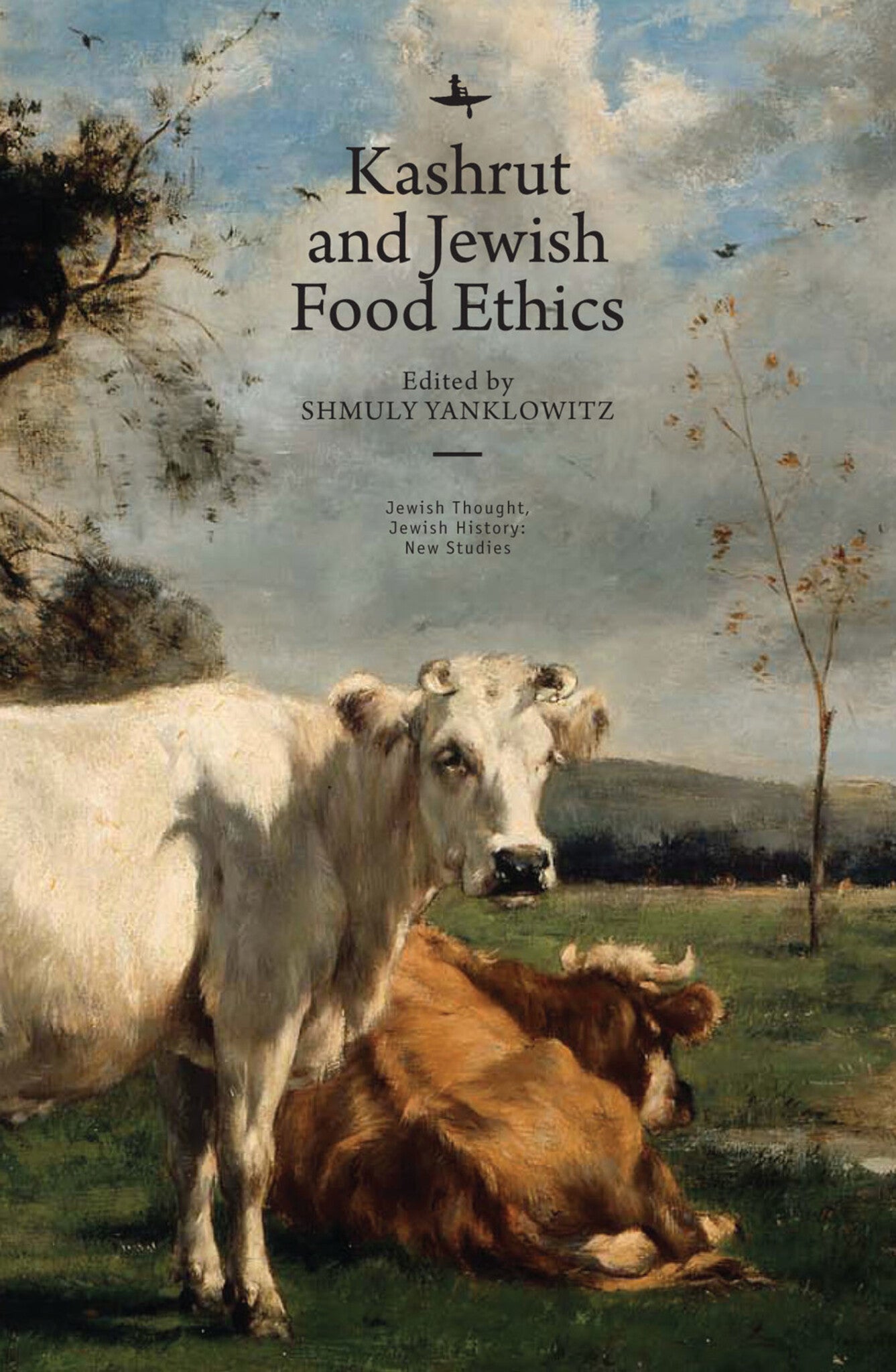
Since the turn of the millennium, rapid advances in technology, globalized markets, and atomized politics instigated in the American and Israeli Jewish communities questions about the morals of food consumption.
Contemporary issues such as workers’ rights, animal welfare, environmental protection, among others, intersect with basic Jewish food ethics: while Jewish communities respect ancient laws, they also appreciate the importance of progress and look forward to a more repaired world. In these pages, readers will have the unique opportunity to delve into the minds of the brightest Modern Orthodox thinkers of the current generation. The contributions contained in Kashrut & Jewish Food Ethics by members of the progressive Orthodox Jewish association Torat Chayim are rich in detail and offer new paradigms for the practical observance of kashrut that have swirled in the ether for generations.

—Fred Reiss, San Diego Jewish World
“The book is a feast of valuable insights, a very useful guide on how to make our diets more consistent with kashrut and Jewish values: holier, healthier, more compassionate, more environmentally sustainable, less wasteful of land, energy, water and other resources – and more just, by avoiding foods that involve the mistreatment of workers on farms and in slaughterhouses. … At a time when typical Jewish diets, and those of most people, contribute substantially to an epidemic of life-threatening diseases in the Jewish and other communities, to climate change and other environmental threats to humanity, and to the widespread horrific treatment of farmed animals, this book provides much 'food for thought' and practical ideas that can help produce a healthier, more compassionate, just, peaceful and environmentally sustainable world.”
—Richard H. Schwartz,The Jerusalem Post
— San Diego Jewish World
Rabbi Dr. Shmuly Yanklowitz is President and Dean at Valley Beit Midrash. He is an educator, social entrepreneur, activist, and the author of fourteen books on Jewish ethics. Newsweek named Rabbi Shmuly one of the top 50 rabbis in America and the Forward named him one of the 50 most influential Jews.
Introduction
Rabbi Dr. Shmuly Yanklowitz
Section 1: Kashrut Dynamics
1. On the Ethics and Politics of Kosher Food Supervision
Rabbi Aaron Leibowitz
2. Are You Really Eating Kosher? On Camouflage, Hypocrisy, and Hiding Behind the Kashrut Laws
Rabbi Dr. Nathan Lopes Cardozo
3. Milk and Meat: The Dangerous Mixture
Rabbi Dr. Nathan Lopes Cardozo
Section 2: Bridging Kashrut with Ethical & Spiritual Concerns
1. The Moral Underpinnings of Kashrut
Rabbi Dr. Shmuly Yanklowitz
2. Eating Our Way from Holiness to Justice: Kashrut as a Bridge Between Competing Value Systems
Rabbi Dr. David Kasher
3. Increasing Holiness in Life: Towards an Expanded Kashrut
Rabbi Dr. Irving (Yitz) Greenberg
Section 3: Spirituality of Eating
1. Eating as a Sacrament: The Eating Table and the Coffin
Rabbi Dr. Daniel Sperber
2. Food for Thought: Hasidic Wisdom on Spiritual Eating
Rabbi Dr. Ariel Evan Mayse
3. Holy Eating in Jewish Thought and Practice
Rabbi Hyim Shafner
4. Too Much of Everything is Just Enough: Eating as a Spiritual Practice in a Culture of Abundance
Rabbi David Jaffe
Section 4: Health & Consumption
1. Towards a Jewish Nutrition Ethic: The Theology, Law, and Ethics of Healthy Eating
Rabbi Daniel R. Goodman
2. Why Are We So Hungry? Our Betrayal of Eating, Being Satisfied and Blessing and The Way Back!
Rabbi Daniel Landes
3. Your Grains, Your Grape Juice, and Your Oil: Coming to Terms with Unhealthy Foods Venerated by Jewish Tradition
Rabbi Asher Lopatin
Section 5: Worker Rights, Equality, & Hunger
1. The Divine Image: Theological Reflections on Jewish Labor Law
Rabbi Dr. Ariel Evan Mayse
2. Judaism and The Crisis of the Rural Village in the Global South
Rabbi Micha Odenheimer
3. Let Them Have a Little Bread
Rabbi Marc Gitler
Section 6: Animal Welfare
1. תשובה בענייני צער בעלי חיים
Rabbi David Bigman
2. Animal Suffering and the Rhetoric of Values and Halakhah
Rabbi Dov Linzer
3. Animal Welfare: The Commandments Were Only Given for the Purpose of Refining People
Rabbi Dr. David Rosen
4. The Case for Limiting Meat Consumption to Shabbat, Holidays, and Celebrations
Rabbi Aaron Potek
Section 7: Environmentalism, Conservation, and GMOs
1. Ethical Eating and the Impact on our Environment
Rabbi Dr. Mel Gottlieb
2. Humanity and the Tree of the Field: Conservation as a Commandment
Rosh Kehillah Dina Najman
3. Divine Wisdom or Altering Creation? A Torah Perspective on GMOs
Rabbi Gabe Greenberg
Conclusion
Rabbi Dr. Shmuly Yanklowitz