


Some error occured while loading the Quick View. Please close the Quick View and try reloading the page.
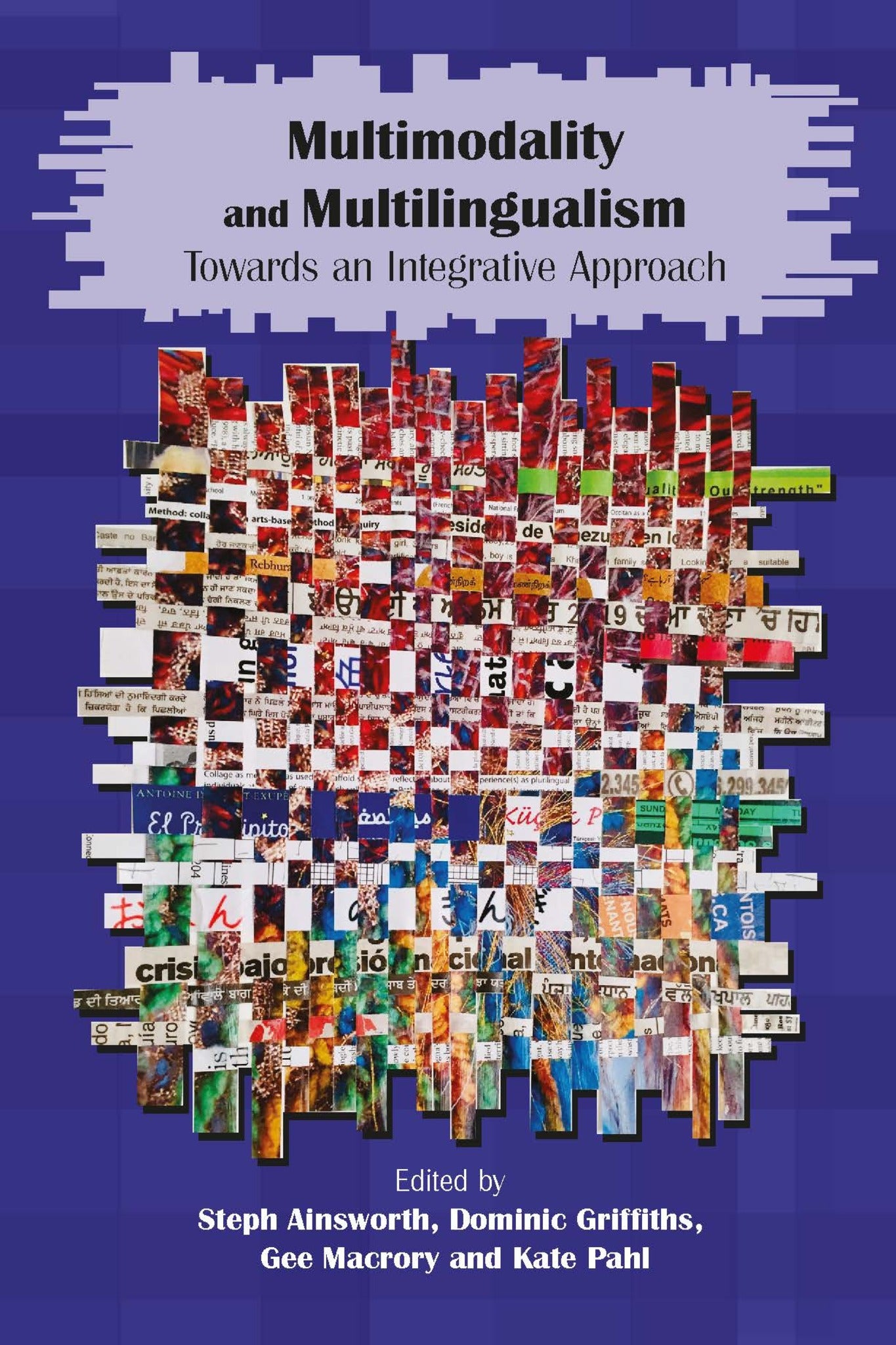
This book explores the ways in which multimodality and multilingualism as areas of study intersect and provides empirical examples of how this looks in practice from a wide range of settings. The chapters include visual as well as linguistic descriptions of practice and provide an accessible introduction to multimodality and multilingualism for a readership from undergraduate students to researchers. The book argues that the everyday practices of multilingual communities are multimodal in nature, and that by working at the intersection of multilingualism and multimodality we may be able to make fruitful advances in multiple areas of applied linguistics, and properly appreciate the actual human complexities of communication.

Steph Ainsworth is a Senior Lecturer in Primary Education at Manchester Metropolitan University, UK. Her research interests include language development and literacy acquisition with a particular interest in phonological development and metalinguistic knowledge.
Dominic Griffiths is a former Senior Lecturer in Inclusive Education and Special Educational Needs (SEN) at Manchester Metropolitan University, UK and is currently a Visiting Research Fellow in the Faculty of Health and Education there. His research interests focus around developing teacher competence and confidence in inclusive pedagogy, and in using linguistic ethnography to explore discourses in inclusive education and SEN.
Gee Macrory is a former Principal Lecturer at Manchester Metropolitan University, UK and is currently a Visiting Research Fellow. She has worked in language education for over 40 years and has research interests in language learning, language teacher education, early language acquisition and bilingualism.
Kate Pahl is Professor of Arts and Literacy at Manchester Metropolitan University, UK. Her interest is in literacy, multilingualism, multimodality and arts practice. She has written extensively in the field of literacy, co-production, language-based ethnographies, multimodality and arts practice.
Figures and Tables
Contributors
Acknowledgements
Steph Ainsworth, Dominic Griffiths, Gee Macrory and Kate Pahl: Introduction: Origins, Scope and Rationale of the Book
Part 1: Multilingual Approaches
Vally Lytra: Introduction to Part 1: Appraising the ‘Multilingual Turn’ in Applied Linguistics and Sociolinguistics
Chapter 1. Sophie Liggins: Heritage Language Speakers’ Responses to Plurilingual Pedagogies in a Secondary School Context
Chapter 2. Yesha Devi Mahadeo-Doorgakant: The Development of the Linguistic Repertoire of Primary School Learners within the Mauritian Educational System
Chapter 3. Pryanki Ghosh: ‘What’s in a Name?’ An Exploratory Study on International Students’ Names within International University Theatre Society Contexts
Chapter 4. Marie Jacobs: ‘So You Need to Be Able to Tell It Well’: On Footing and Genre in Lawyer–Client Consultations in the Field of Asylum Law
Part 2: Multimodal Approaches
Jennifer Rowsell: Introduction to Part 2: Situating Multimodality in the Landscape of Language Research
Chapter 5. Kelli Zezulka: Applying Linguistics to the Theatre Production Process
Chapter 6. Ornaith Rodgers: ‘A Special Closeness’, ‘des moments de tendresse indescriptibles’: A Multimodal Critique of Infant Feeding Health Promotional Discourse in Ireland and France
Chapter 7. Christina Hedman, Ewa Jacquet, Eva Nilsson and Katarina Rejman: Expressing Reading Engagement within Drama-Based Literary Work: Perspectives from Three Students in a Linguistically Diverse Classroom in Sweden
Chapter 8. Jessica Bradley and Louise Atkinson: Conversation through Art
Part 3: Integrating Multimodal and Multilingual Approaches
Gabriele Budach: Introduction to Part 3: Multilingualism and Multimodality: A Comment
Chapter 9. Kate Pahl: Meaning Matters: Multimodality, (New) Materialism and Co-production with Young People in Applied Linguistics
Chapter 10. Ulrike Zeshan, Sibaji Panda, Uta Papen and Julia Gillen: Peer to Peer Multiliteracies: A New Concept of Accessibility
Khawla Badwan: Concluding Thoughts: Labouring Together towards Generous Cuts in Language and Literacy Education
Index