


Some error occured while loading the Quick View. Please close the Quick View and try reloading the page.
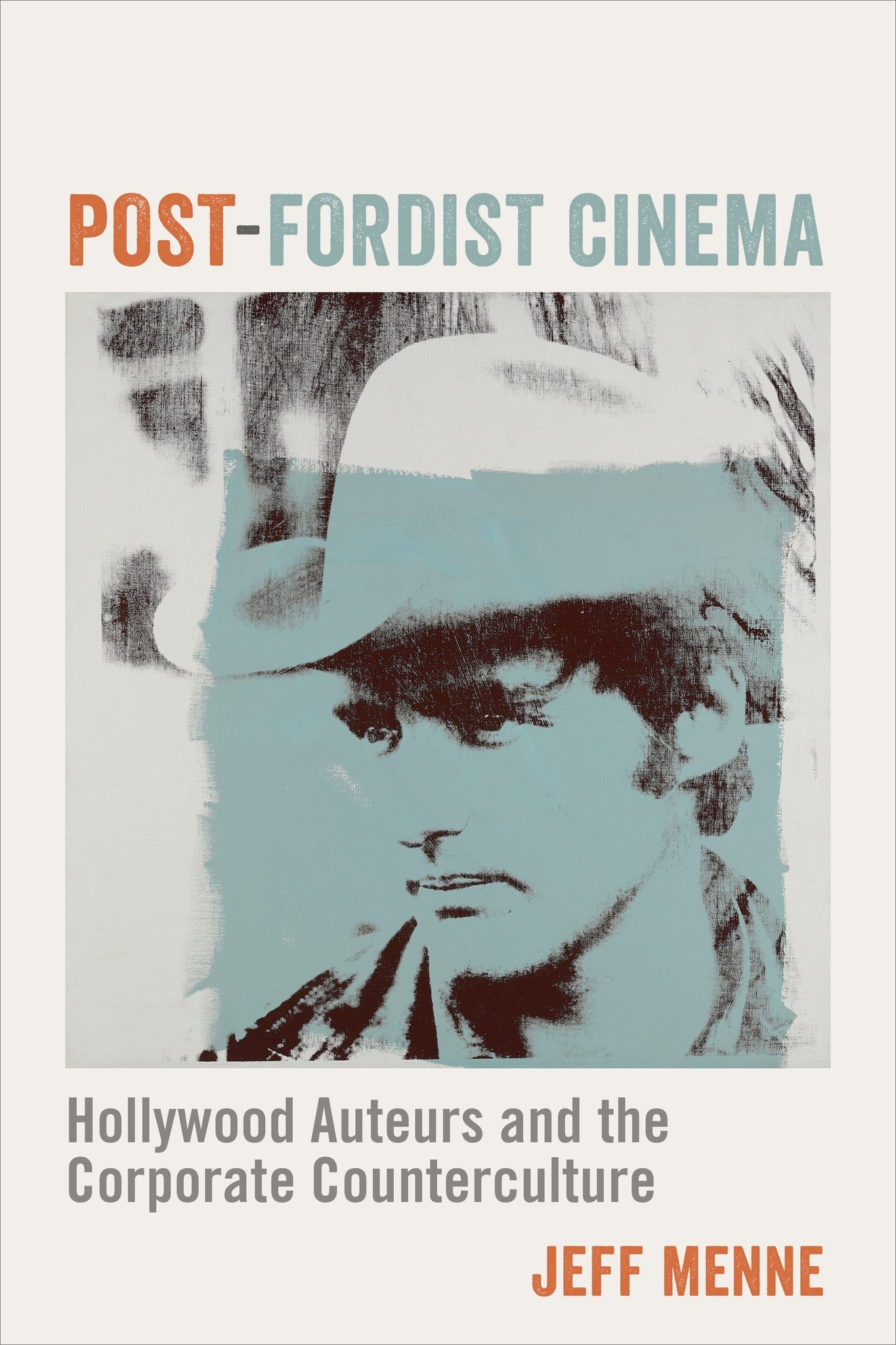
The New Hollywood boom of the late 1960s and 1970s is celebrated as a time when maverick directors bucked the system. Against the backdrop of counterculture sensibilities and the prominence of auteur theory, New Hollywood directors such as Robert Altman and Francis Ford Coppola seemed to embody creative individualism. In Post-Fordist Cinema, Jeff Menne rewrites the history of this period, arguing that auteur theory served to reconcile directors to Hollywood’s corporate project.
Menne traces the surprising affinities between auteur theory and management gurus such as Peter Drucker, who envisioned a more open and flexible corporate style. In founding production companies, New Hollywood filmmakers took part in the creation of new corporate models that emphasized entrepreneurial creativity. For firms such as Kirk Douglas’s Bryna Productions, Altman’s Lion’s Gate Films, the Zanuck-Brown Company, and BBS Productions, the counterculture ethos limbered up the studio system’s sclerotic production process—with striking parallels to how management theory conceived of the role of the individual within the firm. Menne offers insightful readings of how films such as Lonely Are the Brave, Brewster McCloud, Jaws, and The King of Marvin Gardens narrate the conditions in which they were created, depicting shifting notions of work and corporate structure. While auteur theory allowed directors to cast themselves as independent creators, Menne argues that its most consequential impact came as a management doctrine. An ambitious rethinking of New Hollywood, Post-Fordist Cinema sheds new light on the cultural myth of the great director and the birth of the “creative economy.”

Acknowledgments
Introduction: The Business of Auteur Theory
1: Post (Henry and John) Fordism: Kirk Douglas and Guerilla Economy
2. The Cinema of Defection: The Corporate Counterculture and Robert Altman’s Lion’s Gate
3. Television Totalities: Zanuck-Brown and the Privately-Held Company
4. The Ethos of Incorporation: BBS and the Law of Unnatural Persons
Afterword: Auteurs, Amateurs, Animators
Notes
Index