


Some error occured while loading the Quick View. Please close the Quick View and try reloading the page.
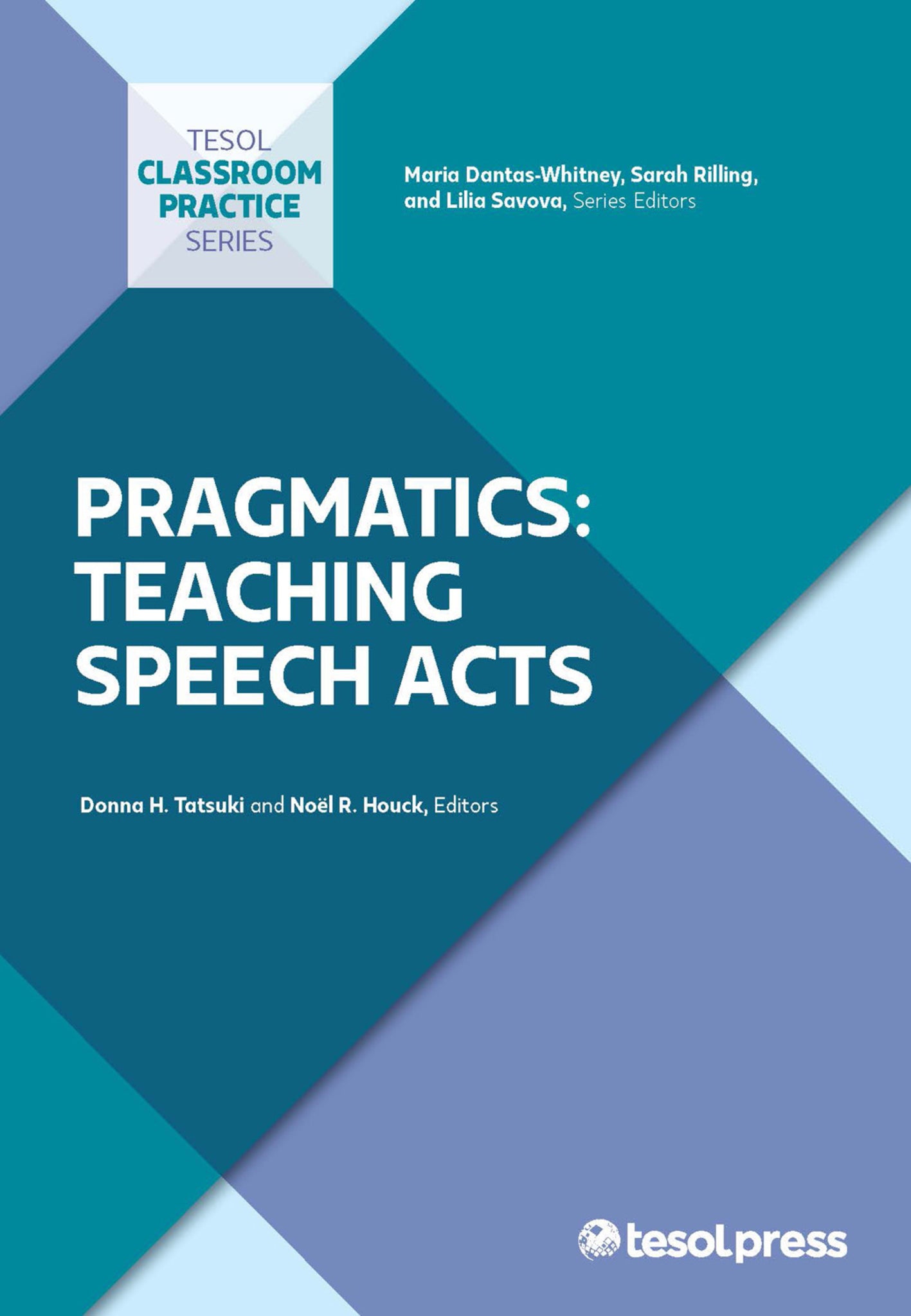
Language teachers have long been aware of the devastating effect of learners' grammatically correct, yet situationally inappropriate spoken or written communication.
This volume addresses how to raise learner awareness of pragmatic gaffes through research-based, field-tested activities, such as composing email requests, giving advice, making workplace requests, expressing opinions, providing constructive peer-to-peer critical feedback, negotiating refusals, and collaborating through activities enabled by an online tool called Talkpoint. Teachers are given vital support in these activities through extensive worksheets, audio files, transcripts, and answer keys. The chapters in this volume provide information and activities primarily related to the realization of speech acts and the effect of different contexts on their form. The subsequent volume, Pragmatics: Teaching Natural Conversation, focuses on the role of formulas in performing speech acts and on the characteristics of longer sequences.
This title also includes a companion website with online resources.

Donna H. Tatsuki is a professor in the Graduate School for English Language Education and Research at Kobe City University of Foreign Studies, in Japan. She is currently researching multiparty talk-in-interaction of Model United Nations simulations and the representations of gender and ethnicity in government-approved language textbooks. She has taught in Canada and Japan.
Noël R. Houck is associate professor in the English and Foreign Languages Department at California State Polytechnic University Pomona, in the United States. Her research centers on cross-cultural pragmatics and discourse analysis, with a focus on microanalysis of classroom discourse. She has taught and conducted research in Brazil, Mexico, and Japan.
Maria Dantas-Whitney is Professor of ESOL and Bilingual Education at Western Oregon University. She has been a Fulbright scholar in Mexico and Panama and has directed professional development programs for K-12 teachers of ELLs in Oregon. She has served as president of Oregon TESOL and ORATE (Oregon Association for Teacher Educators). She is the recipient of the AERA Outstanding Dissertation Award in Second Language Research and the TESOL/College Board Award for Teacher as Classroom Researcher. Her publications and presentations focus on linguistically and culturally responsive pedagogy in teacher education, critical reflective practice, and classroom ethnography.
Sarah Rilling is an associate professor in the Department of English at Kent State University where she teaches courses in applied linguistics and administers teaching English as a second/additional language programs. Her research focuses on inquiry and action in language teaching and nativization processes in modern language contact.
Lilia Savova is the MA TESOL program coordinator at the Indiana University of Pennsylvania. She is also past chair of the TESOL Teacher Education Interest Section and one of the founders of the TESOL Graduate Student Forum (GSF), which is a one-day mini-conference preceding the TESOL Convention. Under her guidance, IUP students have hosted the GSF for three years. Her scholarly work includes the publication of ESOL student and teacher materials, ESOL books and articles, presentations at national and international fora, and invited lectures. She was guest editor of the TESOL Journal's special issue on teacher education. Her research and pedagogical interests are shaped by her extensive international ESOL experience.