


Some error occured while loading the Quick View. Please close the Quick View and try reloading the page.
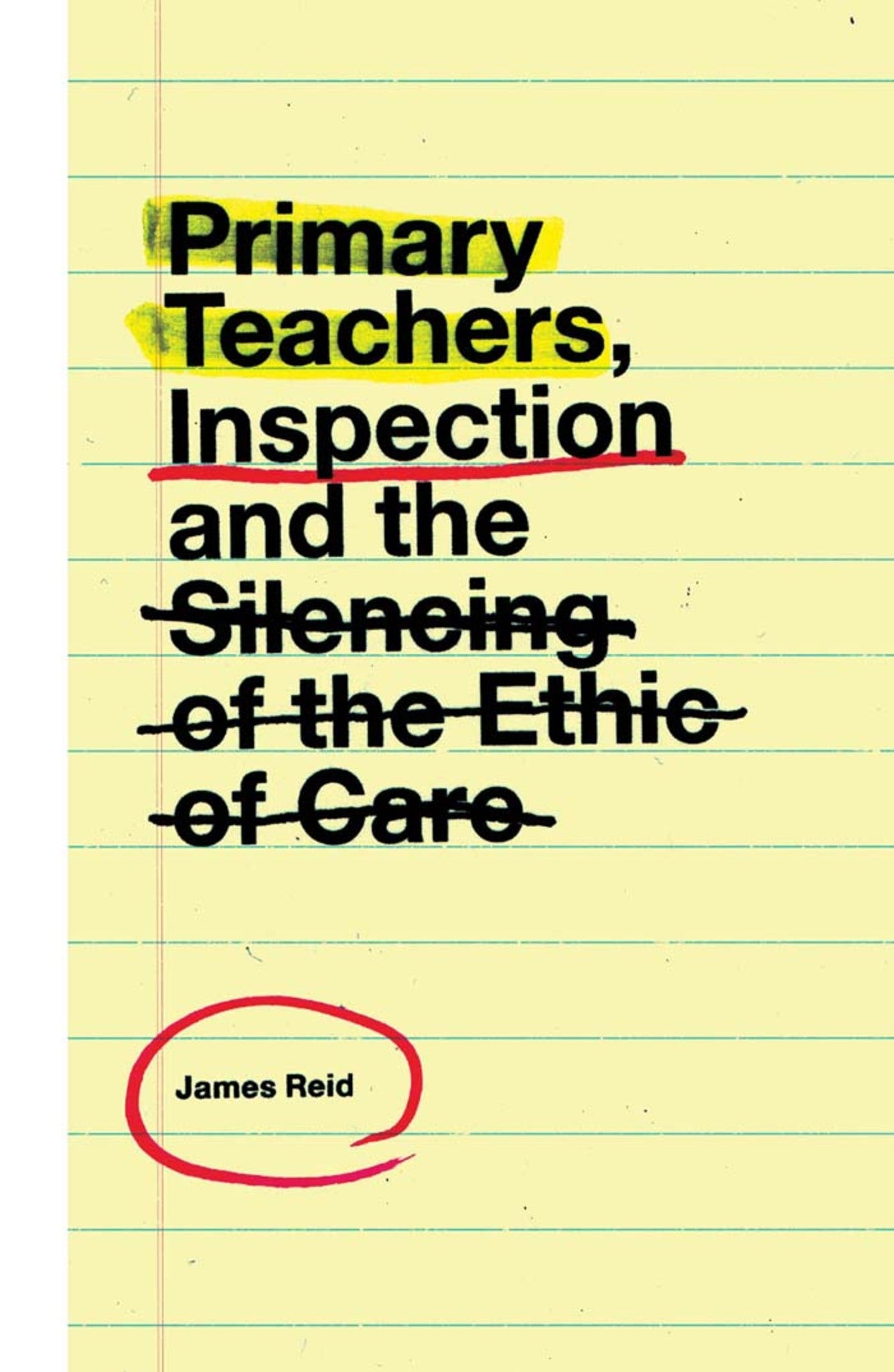
This book offers a unique and critical explication of teachers' understanding and experience of care during a period of regulatory scrutiny and 'notice to improve'. Written following
research in a primary school in the north of England, it draws on the findings
of an institutional ethnography to reveal the institutional mediation of
the teachers' everyday work. Written from a critical interpretivist standpoint,
the focus moves away from care as essentialist practice by foregrounding the
teachers' talk, through 'I' poems, to explicate the political mediation of
care.
Care is understood, experienced and operates in a social milieu. It is not fixed and, importantly, is not understood as a practice or an emotional exchange between one person and another. In this book, Joan Tronto's (1993) argument for a 'political ethic of care' is utilised as a conceptual framework for understanding teachers' experiences. It is an alternative to approaches that individualise a teacher's caring practices as only belonging in the intimate, proximal domains of care giving and care receiving.

Price: $110.99
Pages: 184
Publisher: Emerald Publishing Limited
Imprint: Emerald Publishing Limited
Publication Date:
17 September 2018
ISBN: 9781787568921
Format: Hardcover
The author uses the example of a primary school in England during an inspection to understand teachers' experiences of the inspection process and the "notice to improve," how inspectors' reports of a specific school reflect wider national and global policy, and the dilemmas teachers identify when working within a performative framework. He explores how care involves relationships and political aspects and how teachers practices of care are coordinated and mediated through institutional relations that involve policies, guidance, and wider regulatory texts used within a performative agenda for schools. He focuses on teachers' experiences and understanding of care during this period of requiring improvement and discusses the concept of care and how it is understood within a political ethic, the ideological and political abstractions within wider children and families' policy that mediates and directs teachers' work through regulatory texts, the role of personal and professional moral boundaries in terms of teaching as a caring practice that focuses on educating the whole child and caring for the requirements of government and its regulatory agents, conflicts arising in teachers' talk and the organization of practices of care through inspectors’ reports, and teachers’ experience and understanding of care.
James Reid is a Senior Lecturer in Childhood Studies at the University of
Huddersfield, UK. Prior to beginning his academic career at Teesside University
teaching social work, James was a social work manager and then a staff
development officer at a local authority. He has published extensively on local
authorities and the safeguarding of children and topics related to childhood
and education. This includes an interest in professionalism and how work with
children and young people is shaped by policy. He was awarded the Outstanding
Paper award in the 2017 Emerald Literati Network Awards for Excellence. He is
the co-editor of Perspectives on and from Institutional Ethnography (Emerald Publishing, 2017).
Chapter 1: Developing Understanding of Teachers' Everyday
Work During a Period of Inspection
Chapter 2: The Story Being Told
Chapter 3: Care is Political: Situating
the 'Ethic of Care' in a Conceptual Framework
Chapter 4: Politics First: Ideological
Abstraction, Assessing Pupils' Progress and Blame
Chapter 5: Personal and Professional
Moral Boundaries, Asymmetry and Categorisation
Chapter 6: Silencing Care: Achieving
Fidelity to Regulatory Demands
Chapter 7: Teachers' Experience and
Understanding of Care