


Some error occured while loading the Quick View. Please close the Quick View and try reloading the page.
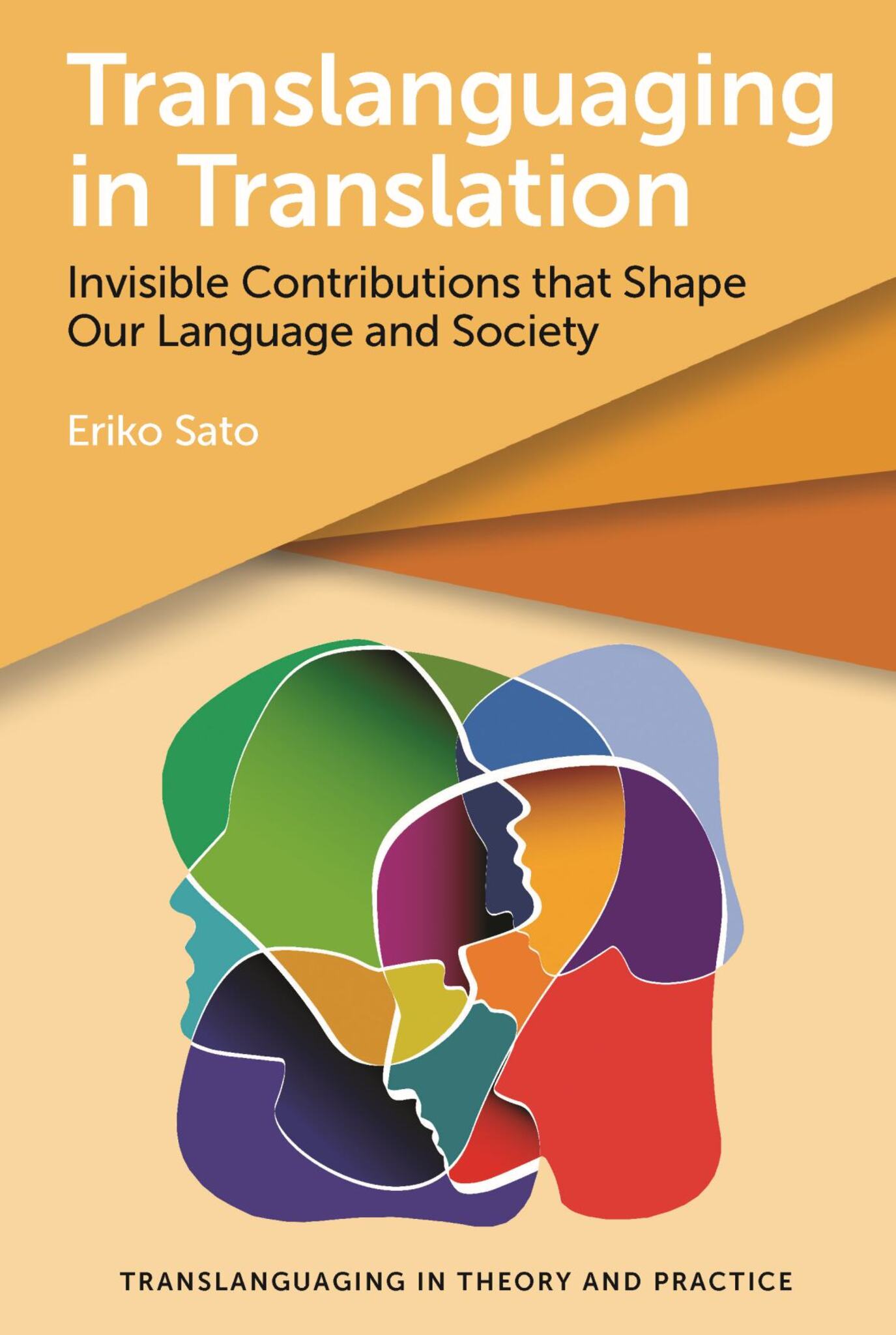
This book brings applied linguistics and translation studies together through an analysis of literary texts in Chinese, Hindi, Japanese and Korean and their translations. It examines the traces of translanguaging in translated texts with special focus on the strategic use of scripts, morphemes, words, names, onomatopoeias, metaphors, puns and other contextualized linguistic elements. As a result, the author draws attention to the long-term, often invisible contributions of translanguaging performed by translators to the development of languages and society. The analysis sheds light on the problems caused by monolingualizing forces in translation, teaching and communicative contexts in modern societies, as well as bringing a new dimension to the burgeoning field of translanguaging studies.

Dr. Eriko Sato presents a fascinating analysis of interlingual and intralingual translanguaging practices observed in texts translated from Asian languages to English and vice versa. Her rich accounts of historical developments concerning the languages, combined with her accessible writing style, will engross researchers, as well as teachers, learners, and translators of these languages.
Eriko Sato is Associate Professor of applied linguistics and Japanese, Stony Brook University (State University of New York), USA. Her research interests include translation studies, translanguaging, intercultural communication, language learning, foreign language pedagogy, online teaching and Japanese linguistics.
Figures and Tables
Preface and Acknowledgments
Chapter 1. Introduction
Chapter 2. Scripts
Chapter 3. Names
Chapter 4. Words
Chapter 5. Contexts
Chapter 6. Roles of Translanguaging and Translation
Chapter 7. Conclusion
References
Primary Sources
Appendices
Index