


Some error occured while loading the Quick View. Please close the Quick View and try reloading the page.
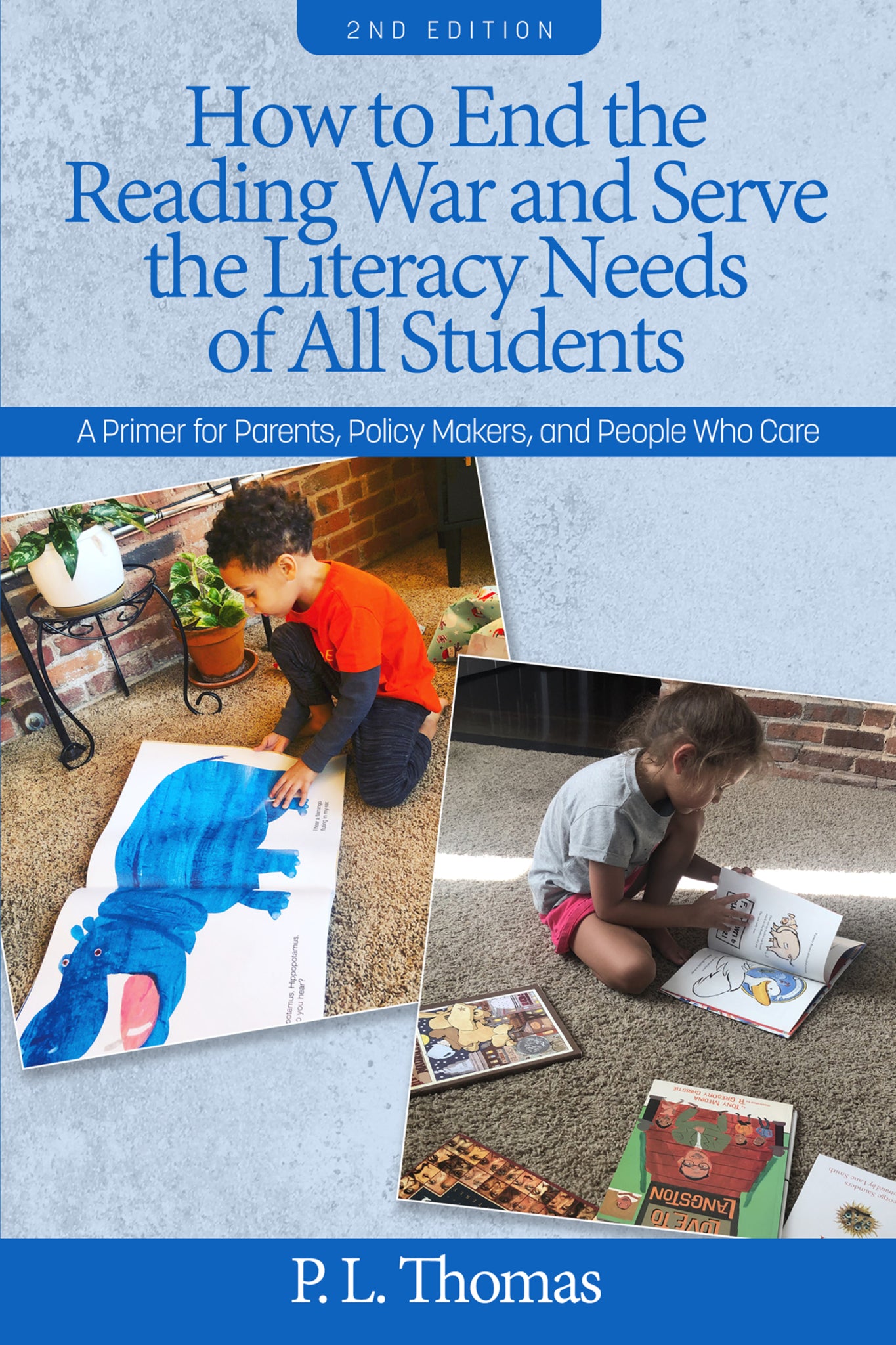
The twenty-first century Reading War is, in fact, nothing new, but some of the details are unique to our current culture driven by social media. This volume seeks to examine the current Reading War in the context of the historical recurrence of public and political debates around student reading abilities and achievement.
Grounded in a media fascination with the “science of reading” and fueled by a rise in advocates for students with dyslexia, the current Reading War has resulted in some deeply troubling reading policy, grade retention and intensive phonics programs.
This primer for parents, policy makers, and people who care confronts some of the most compelling but misunderstood aspects of teaching reading in the U.S. while also offering a way toward ending the Reading War in order to serve all students, regardless of their needs.
The revised/expanded 2nd edition adds developments around the “science of reading,” including the expanding impact on state policy and legislation as well as robust additions to the research base around teaching students to read.

Introduction: Parent Advocacy and the New (but Still Misguided) Phonics Assault on Reading.
Acknowledgments.
Chapter 1. A Historical Perspective of the Reading War: 1940s and 1990s Editions.
Chapter 2. The 21st Century Reading War: The Science of Reading, Dyslexia, and Misguided Reading Policy.
Chapter 3. Misreading Reading: The Good, the Bad, and the Ugly.
Chapter 4. How to End the Reading War and Serve the Literacy Needs of All Students: Shifting Our Deficit Gaze, Asking Different Questions About Literacy.
Chapter 5. The Science of Reading in 2022, and Beyond: Not Simple, Not Settled.
Chapter 6. Conclusion: The Science of Literacy—A 5-Decades Journey and Counting.
Appendix A: Recommended Reading.
Appendix B: Fact Checking the Science of Reading—A Quick Guide for Teachers.