


Some error occured while loading the Quick View. Please close the Quick View and try reloading the page.
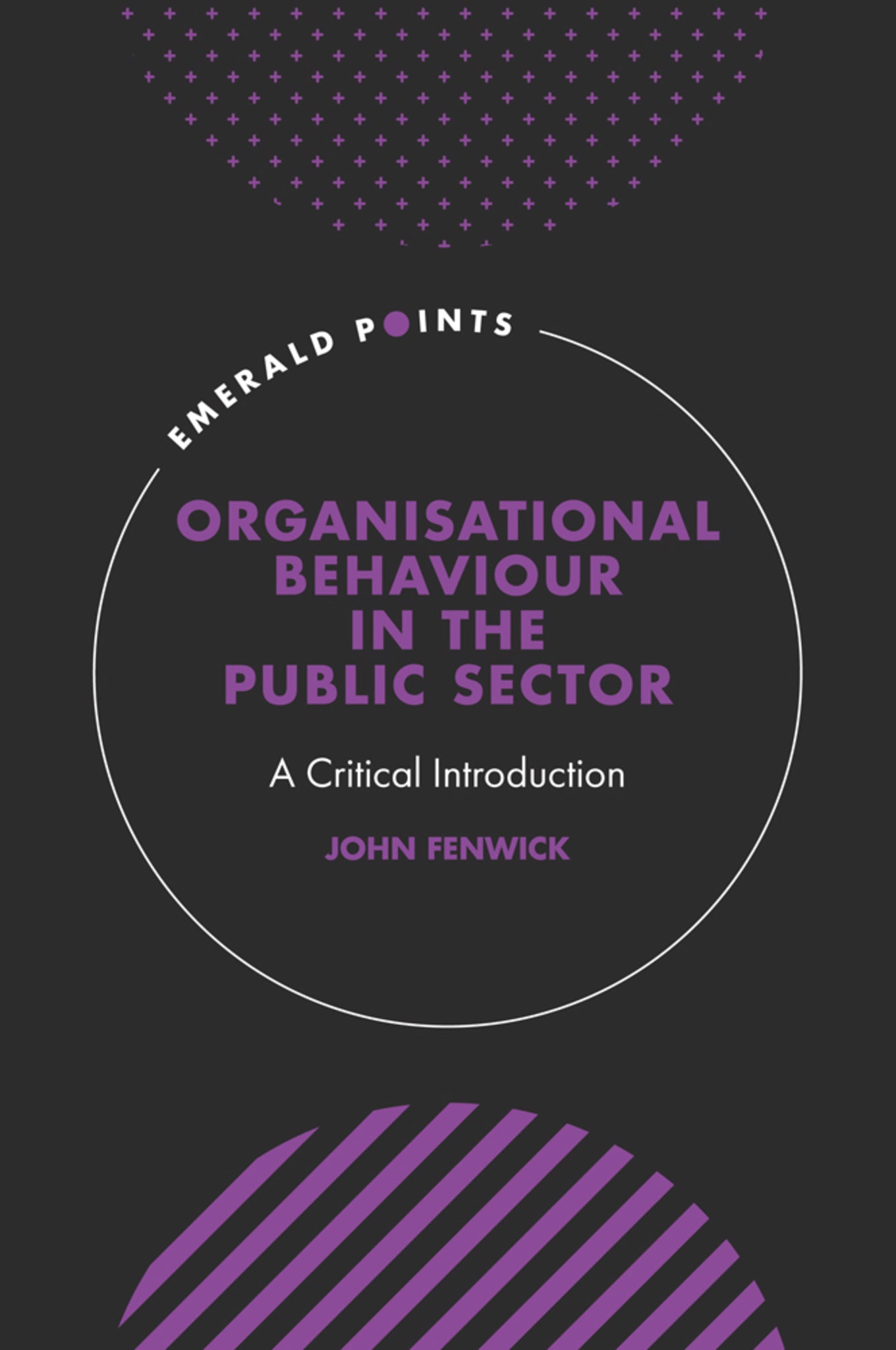
This book adopts a highly critical approach to the ways in which organisations have been analysed by orthodox theories and offers instead a perspective on elements of organisational behaviour including leadership and its failures, structures, cultures, bullying and the denial of individual voice, firmly rooted in the critical understanding of power and control. Professor Fenwick draws from international examples of practice and finds grounds for optimism in the distinctive positive values of the public sector organisation.
This book is an invaluable source for those with an interest in organisational behaviour in the public sector, designed for many audiences including students embarking upon study of how such organisations work, researchers who wish to assess aspects of the topic in greater depth, or readers with a practical interest or involvement with the organisations in question.

John Fenwick's fascinating book challenges the prevailing wisdom about organisational behaviour in the public sector. Theoretical and conceptual incisiveness is combined with extensive analysis of operational developments across a range of settings. Organisational power, control, and the prevalence of narcissistic leadership styles are expertly dissected in a text for our times. This book is required reading for public policy and administration scholars and those leading, managing and delivering public services.
— Robert Pyper, Emeritus Professor of Government and Public Policy, University of the West of Scotland
John Fenwick is Emeritus Professor of Leadership and Public Management at Newcastle Business School, Northumbria University, UK.
Chapter 1. Scope and Purpose
Chapter 2. Power and Control
Chapter 3. Voice and Blame
Chapter 4. Leadership
Chapter 5. Structure and Culture
Chapter 6. Ethics and Values
Chapter 7. Conclusions: Challenging the Public Organisation