


Some error occured while loading the Quick View. Please close the Quick View and try reloading the page.
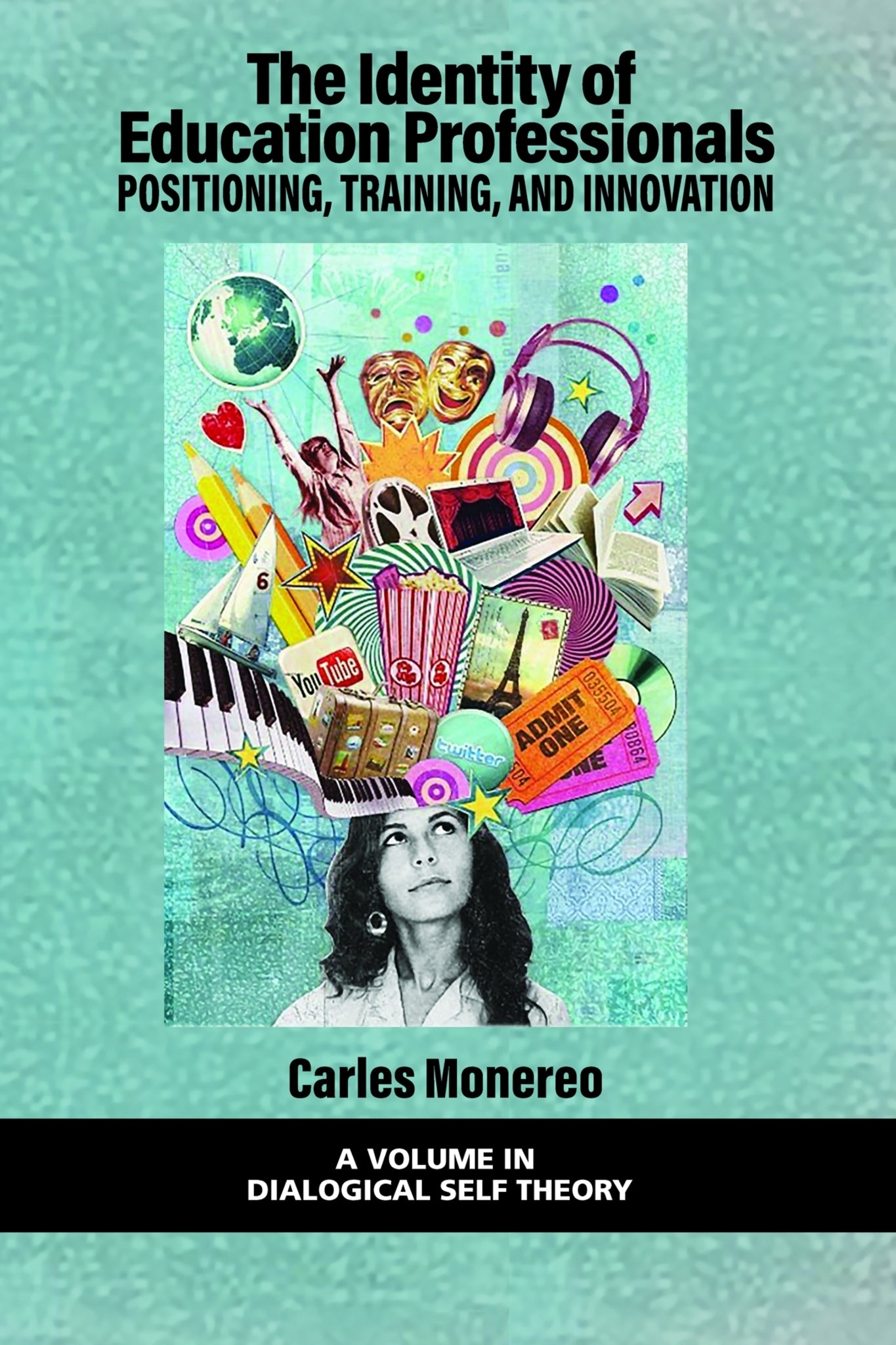
The 21st century and its many challenges (invasion of digital technology, climate change, health crises, political crises, etc.) alert us that we need new educational responses, led by new education professionals.
Research has shown that for these professionals to change in a substantial and profound way, they must change their identity, that is, the way in which they give meaning and meaning to their professional work.
This book exposes, based on one of the most current and advanced theories for analyzing identity change -the theory of the dialogical self-, what changes should take place and how to promote them in eleven fundamental professional profiles in current education (teachers of student-teachers, primary & secondary teachers, inclusive teachers, inquiring teachers, mentors, school principals, university teachers, academic advisors, technologic/hybrid teachers, Learning specialists & educational researchers).

Acknowledgements.
Foreword; Rupert Wegerif.
Chapter 1. Professional Identity in Education From the Perspective of Dialogical Self Theory; Carles Monereo.
Chapter 2. The Identity of Student-Teachers: Becoming a Professional; Eva Liesa, Mireya Giralt-Romeu, and Maria Beatrice Ligorio.
Chapter 3. The Identity of the Teacher in Compulsory Education; Antoni Badia, Eva Liesa, and Auli Toom.
Chapter 4. The Identity of the Inclusive Teacher: I-Positions Towards Diversity; Crista Weise, Andy Morodo, and Katrin Kullasepp.
Chapter 5. The Identity of the Teacher as an Inquirer; Antoni Badia, Angelos Konstantinidis, and Jan Baan.
Chapter 6. The Identity of the Teacher as a Mentor of Student Teachers; Consuelo García, Antoni Badia, and Anthony Clarke.
Chapter 7. The Identity of School Principals; Núria Mollá, Montserrat Castelló, and Oscar Nail.
Chapter 8. The Identity of University Teachers: New Positions for New Challenges; Carles Monereo, Consuelo García, and Geert Kelchtermans.
Chapter 9. The Identity of the Academic Advisor: Towards a New Framework of Dialogical Advice; Carles Monereo, Núria Suñé-Soler, and Bob Fecho.
Chapter 10. The Identity of a Hybrid Teacher: Management of Mixed Learning Settings; Carles Monereo, Marina García-Morante, and Francesca Amenduni.
Chapter 11. The Identity of a Learning Specialist in Non-Formal Education Context: Balancing Entrepreneurial, Organizational, and Innovative Ecosystems; Alina Valencia, Juan Jesús Arrausi, and Rens Van Loon.
Chapter 12. The Identity of the Responsible Researcher in Education; Núria Suñé-Soler, Carles Monereo, and Isabelle Skakni.
About the Authors.