


Some error occured while loading the Quick View. Please close the Quick View and try reloading the page.
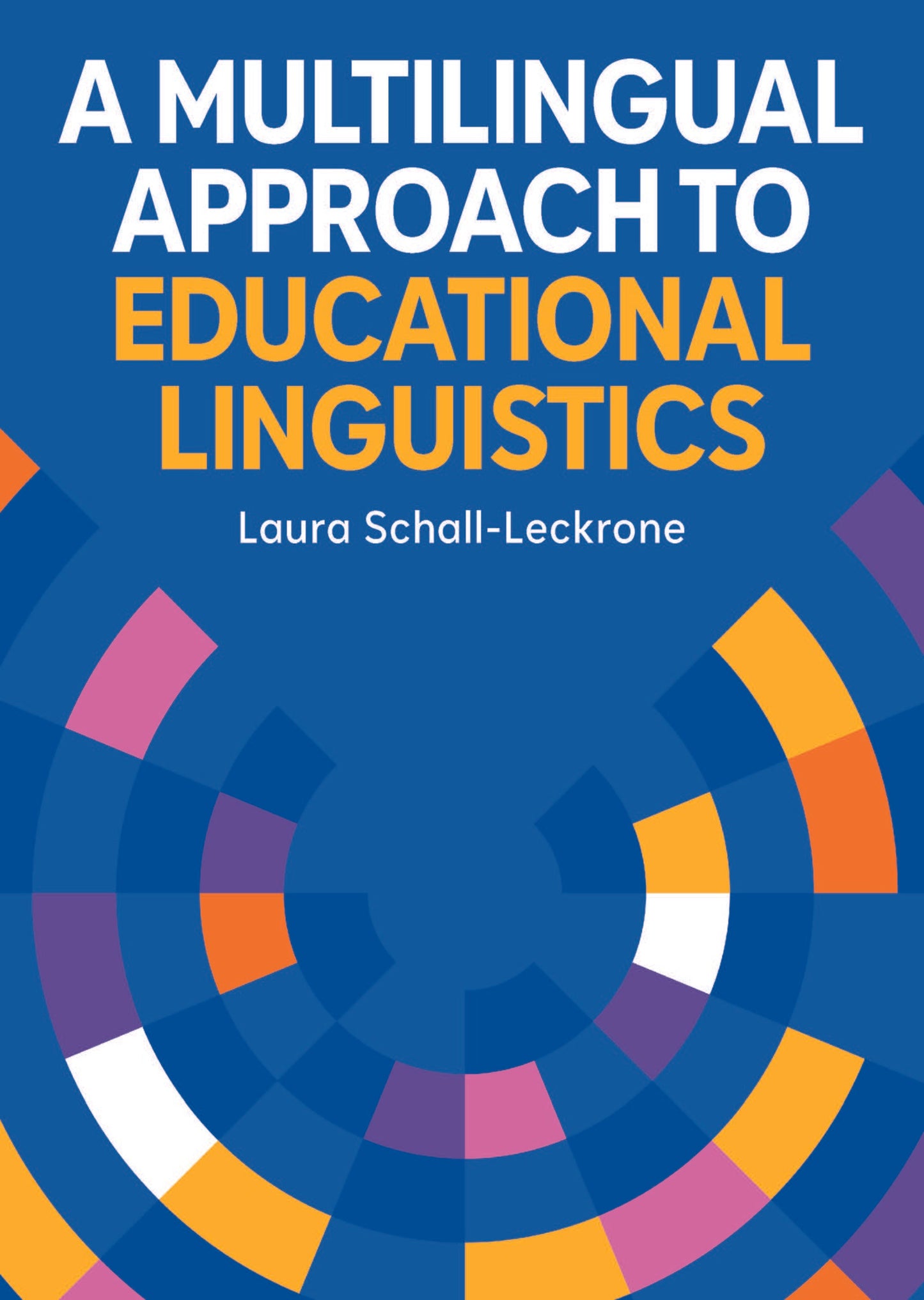
Provides educators with the specialized knowledge they need to best support multilingual children.
This book prepares educators for the multilingual classroom, exploring the role of languages in learning across home, school and community contexts.
With up-to-date research and examples from varied K-12 educational and community settings, it offers accessible introductions to key linguistic concepts while centering social and societal considerations throughout. Practical classroom applications are provided, with discussion questions and online resources for further exploration of topics.
Though primarily intended for aspiring and practicing language teachers, this book expands the definition of educators to include families, communities, and school leaders and recognizes their contributions to language and literacy development. It equips educators with the necessary knowledge of languages for effective multilingual and multimodal learning.

Laura Schall-Leckrone is Professor of TESOL and Bilingual Education in the Graduate School of Education at Lesley University, USA. Her research explores educational linguistics, educator preparation and linguistic ethnography. She sits on the Board of Directors of the North American Systemic Functional Linguistics Association.
María Estela Brisk: Foreword
Part 1: Multilingual Orientations to Language and Language Development
Chapter 1. Language is a Social Justice Issue in Schools
Chapter 2. On Language, Learning and Learning Languages
Chapter 3. The Multilingual and Multimodal Turn: Embracing Multilingualism and Multimodality across Classrooms and Communities
Part 2: Language Subsystems as a Springboard for Literacies
Chapter 4. The Sound System: A Multilingual and Multimodal Perspective on the Transformation from Oral to Written Language
Chapter 5. Word Study: Morphological Awareness and Cognates in Oracy and Reading Comprehension
Chapter 6. Reimagining and Rehabilitating Grammar’s Image in Schools and Life: An Ode to Grammar
Chapter 7. Genre Theory in Action: How We Use Languages to Get Things Done
Part 3: Linguistic Intersections among Classrooms, Homes and Communities
Chapter 8. Language Variation and Change: What’s in a Name?
Chapter 9. A Translanguaging Stance: How to Teach Multilingual Learners ‘Even if You’re Not One’
Chapter 10. The Multilingual Advantage: Resources for Families and Communities
Glossary
References
Index